
Understanding Cultural Nuances in Haitian Creole Interpretation
Lucia Torres
Senior Cultural Liaison
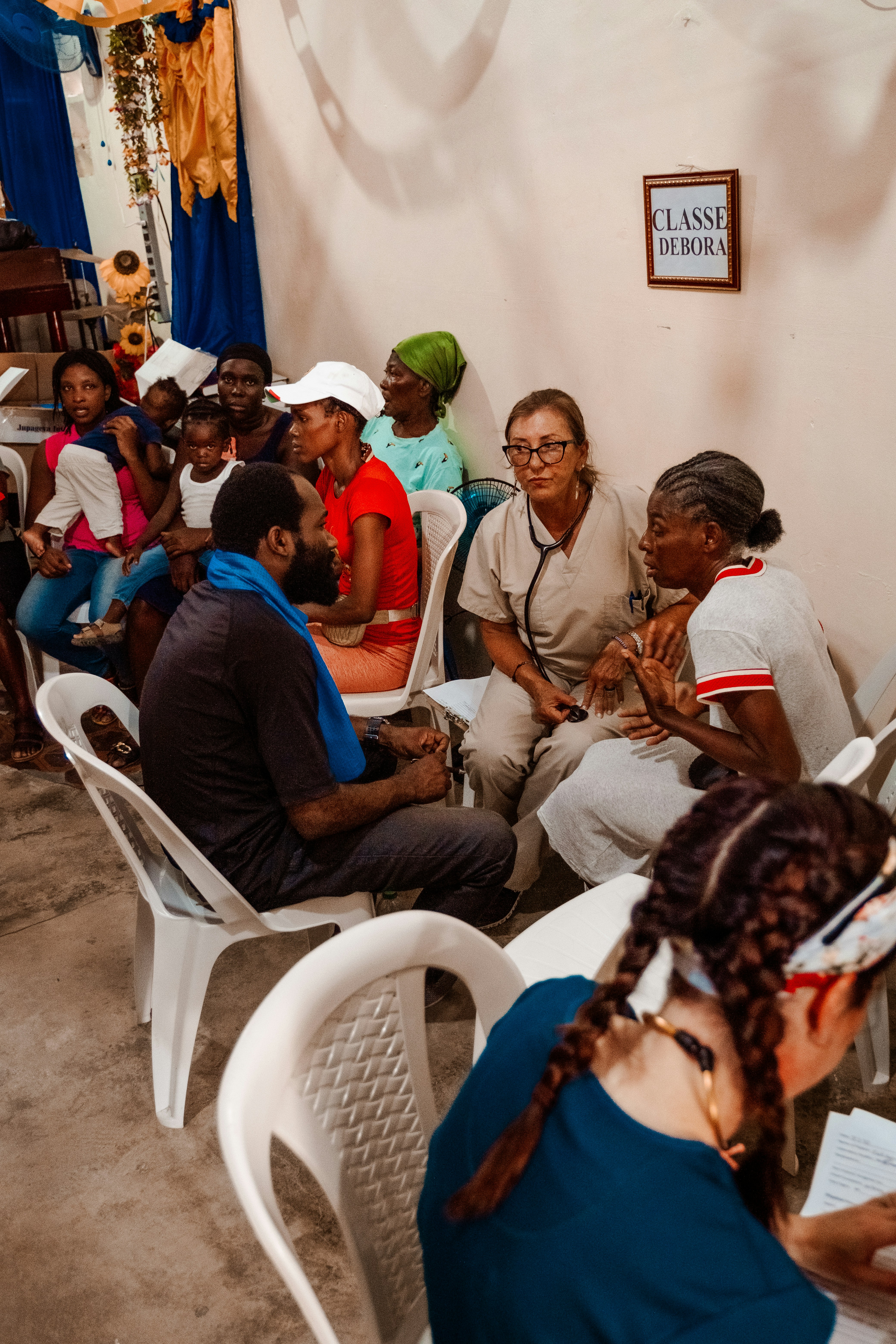
Language is inextricably linked to culture. When interpreting between English and Haitian Creole, a professional must navigate not just two different vocabularies, but two distinct worldviews. Understanding the cultural nuances of the Haitian community is paramount for accurate and effective interpretation, whether in healthcare settings, legal proceedings, or immigration interviews.
Haitian Culture and Communication
Haitian communication styles are often highly expressive, relational, and context-dependent. Respect for authority and elders is deeply ingrained, which can influence how a Haitian Creole speaker interacts with doctors, lawyers, or government officials. A certified Haitian Creole interpreter must understand these dynamics to accurately convey the tone and intent of the speaker, not just the literal words.
Idioms and Expressions
Haitian Creole is famous for its rich proverbs (pwovèb) and idiomatic expressions. These phrases carry historical and cultural weight and are frequently used in everyday conversation to express complex emotions or situations.
"Piti piti, zwazo fè nich li." (Little by little, the bird builds its nest.)
A literal translation of such proverbs would confuse an English speaker. A skilled interpreter knows how to find the cultural equivalent in English, preserving the speaker's meaning—in this case, the concept of patience and perseverance.
Family and Community Values
In Haitian culture, the concept of family extends beyond the nuclear unit to include extended relatives and close community members. Medical or legal decisions are rarely made in isolation; they are often collective family decisions. Professional interpreters must be adept at navigating multi-party conversations and understanding the hierarchical structures within the family unit.
Spiritual and Religious Context
Religion and spirituality play a significant role in the lives of many Haitians. Concepts of health, illness, and misfortune are sometimes intertwined with spiritual beliefs. When a patient describes a symptom using spiritual terminology, the interpreter must convey this accurately to the healthcare provider without judgment, allowing the provider to address the patient's holistic needs.
Non-Verbal Communication
Non-verbal cues—such as eye contact, gestures, and physical proximity—vary greatly between American and Haitian cultures. For example, avoiding direct eye contact with an authority figure is often a sign of respect in Haitian culture, whereas in American culture, it might be misinterpreted as evasiveness or dishonesty. A culturally competent interpreter helps bridge these non-verbal gaps, ensuring that the professional understands the cultural context of the client's behavior.
Need Culturally Competent Interpretation?
Our certified Haitian Creole interpreters understand both language and culture. Available for medical, legal, and immigration services.
About Lucia Torres
Lucia Torres is a professional language specialist with extensive experience in Haitian Creole interpretation and translation.
View our services →